
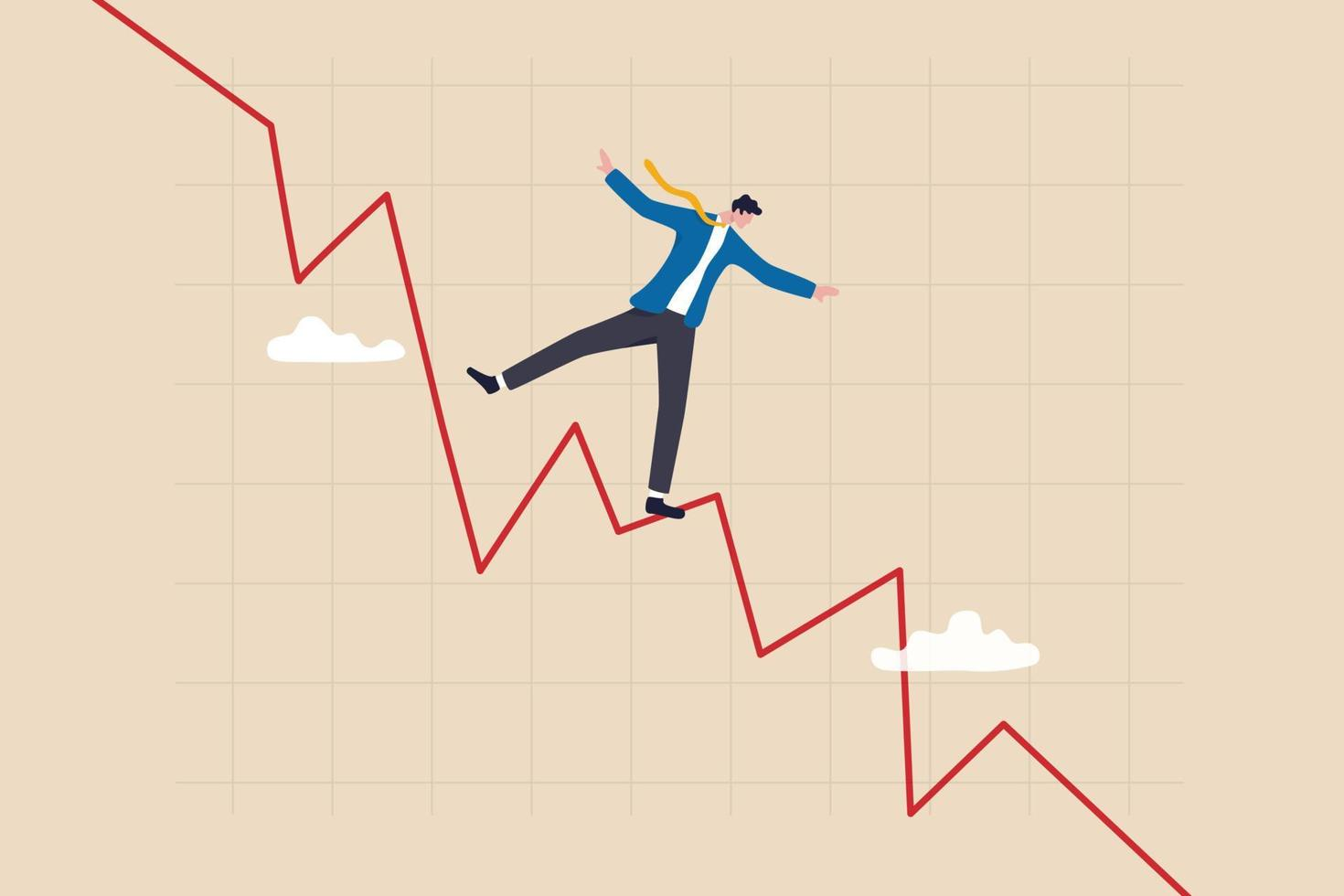
A market downturn can make even confident investors feel uneasy. Prices drop suddenly, news headlines turn negative and it becomes easy to think you need to pull your money out. The truth is that downturns are a normal part of the market cycle. They happen repeatedly throughout history and the market has always recovered over time. Understanding this can help you stay calm when everyone else is reacting emotionally.
When the market starts falling, the first thing to do is remind yourself of your long term goals. Investing is not meant to be a short term activity. If your goal is retirement, financial independence or long term wealth, then temporary drops are simply part of the journey. Selling during a downturn usually locks in losses and can seriously damage your returns. Some of the strongest market recoveries happen unexpectedly, and missing just a few of those rebound days can affect your long term gains.
It helps to look at downturns as opportunities instead of disasters. When prices fall, strong companies and broad market index funds become cheaper. Many experienced investors add small amounts during downturns because they know they are buying quality assets at a discount. You do not need to invest aggressively. Even small contributions during tough periods can improve your long term performance.
Another smart strategy is to automate your investing. When you invest automatically each month, you take advantage of something called dollar cost averaging. This simply means you buy more shares when prices are low and fewer shares when prices are high. Over time, this reduces stress because you are not trying to guess the perfect moment to invest.
It is also important to avoid constantly checking your portfolio. Watching every dip can create unnecessary anxiety and push you toward emotional decisions. A healthier approach is to review your investments on a schedule, such as once a month or once every three months. This keeps you focused on the big picture instead of daily volatility.
Diversification can also make downturns easier to handle. If your investments are spread across different industries and regions, your portfolio becomes more balanced. Index funds are great for this because they hold many companies at once. A diversified portfolio tends to fall less sharply during downturns and recovers more smoothly.
If the downturn makes you uncomfortable, review your risk tolerance. Some investors discover they are holding too many high risk assets. There is nothing wrong with adjusting your portfolio to feel more secure, as long as the changes are thoughtful and not made out of panic. Adding a small portion of bonds or more stable funds can help create balance.
Finally, remember that downturns are temporary. Markets have survived recessions, wars, inflation spikes and global crises. Every decline in history has been followed by recovery. Staying patient, staying invested and staying educated is the most reliable investing strategy.
A downturn can be stressful, but it does not have to derail your financial goals. With a calm mindset and a consistent plan, you can navigate market drops with confidence and come out stronger when the recovery begins.